Written by Max Veenhuyzen
Soil salinity costs Australian farms hundreds of millions of dollars every year. One farmer has an idea for turning the problem into profit.
Katanning farmer David Thompson has never been afraid to go against the grain.
He was one of the first people in WA to grow canola. Together with his wife Susan, he was part of a consortium that owned a natural fertiliser plant that he used throughout his property. Thompson was also the driving force behind Moojepin Mutton: a premium, dry-aged sheep meat that, despite public perceptions about mutton, was a hit with the chefs at high-end restaurants across Perth.
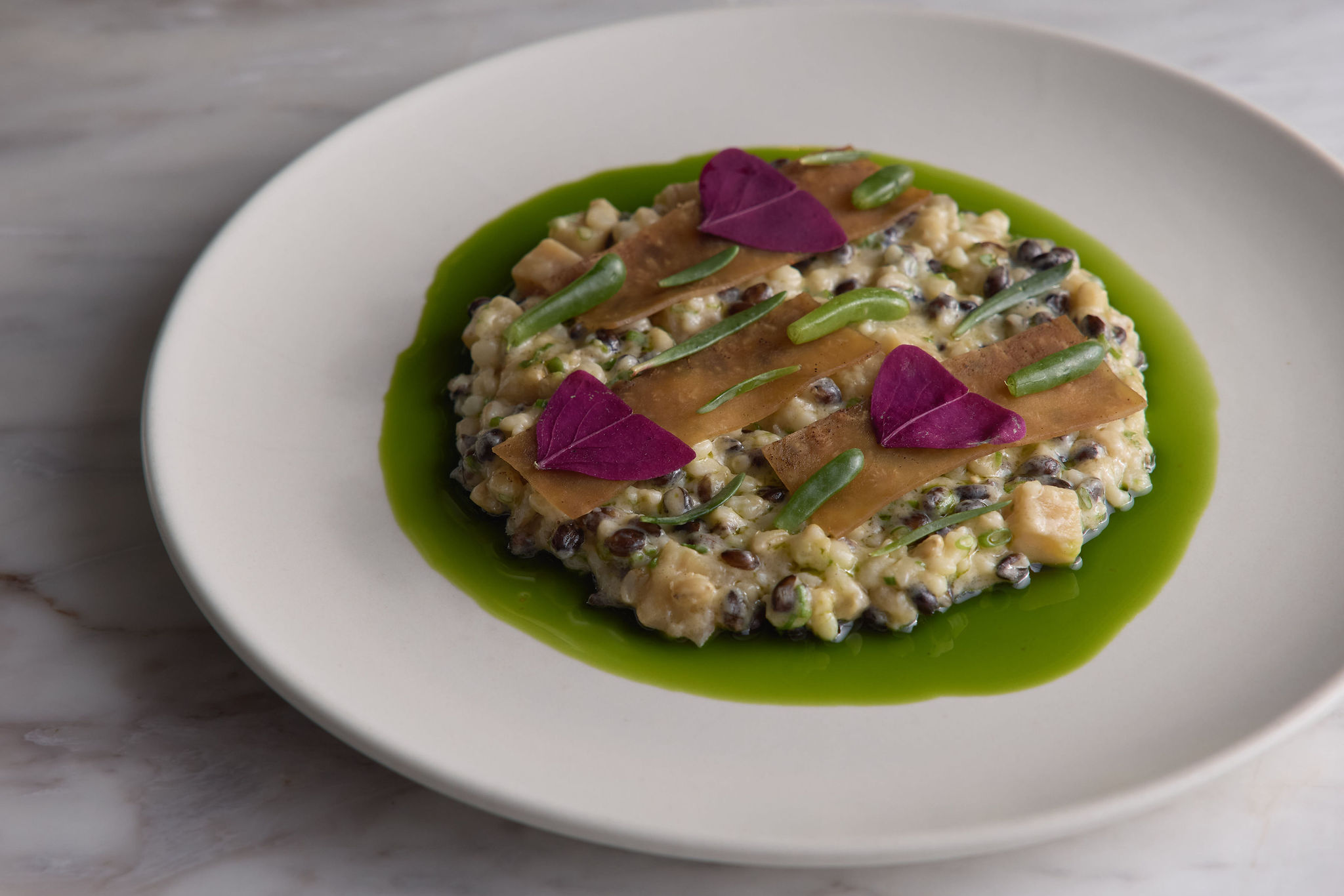
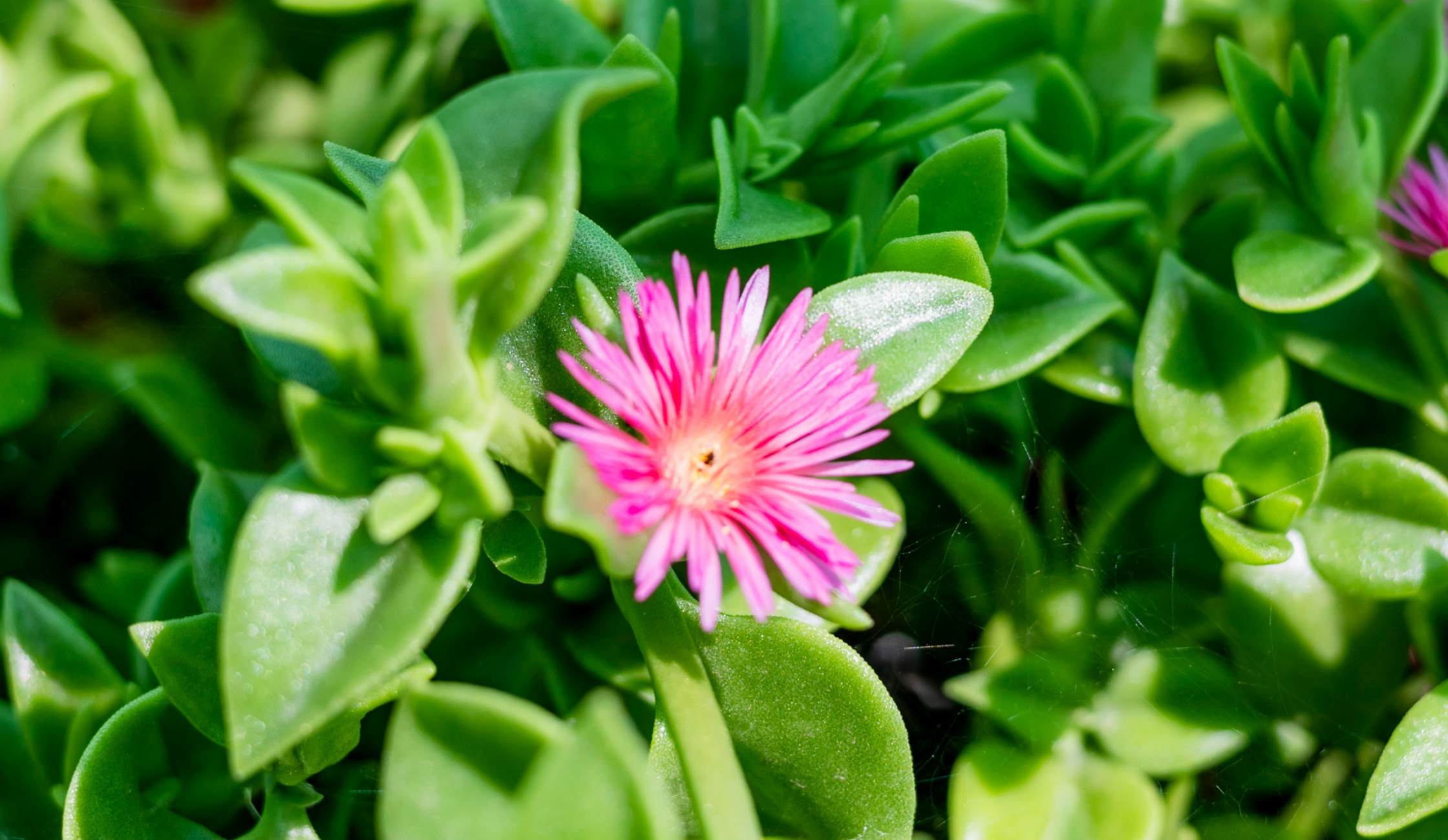
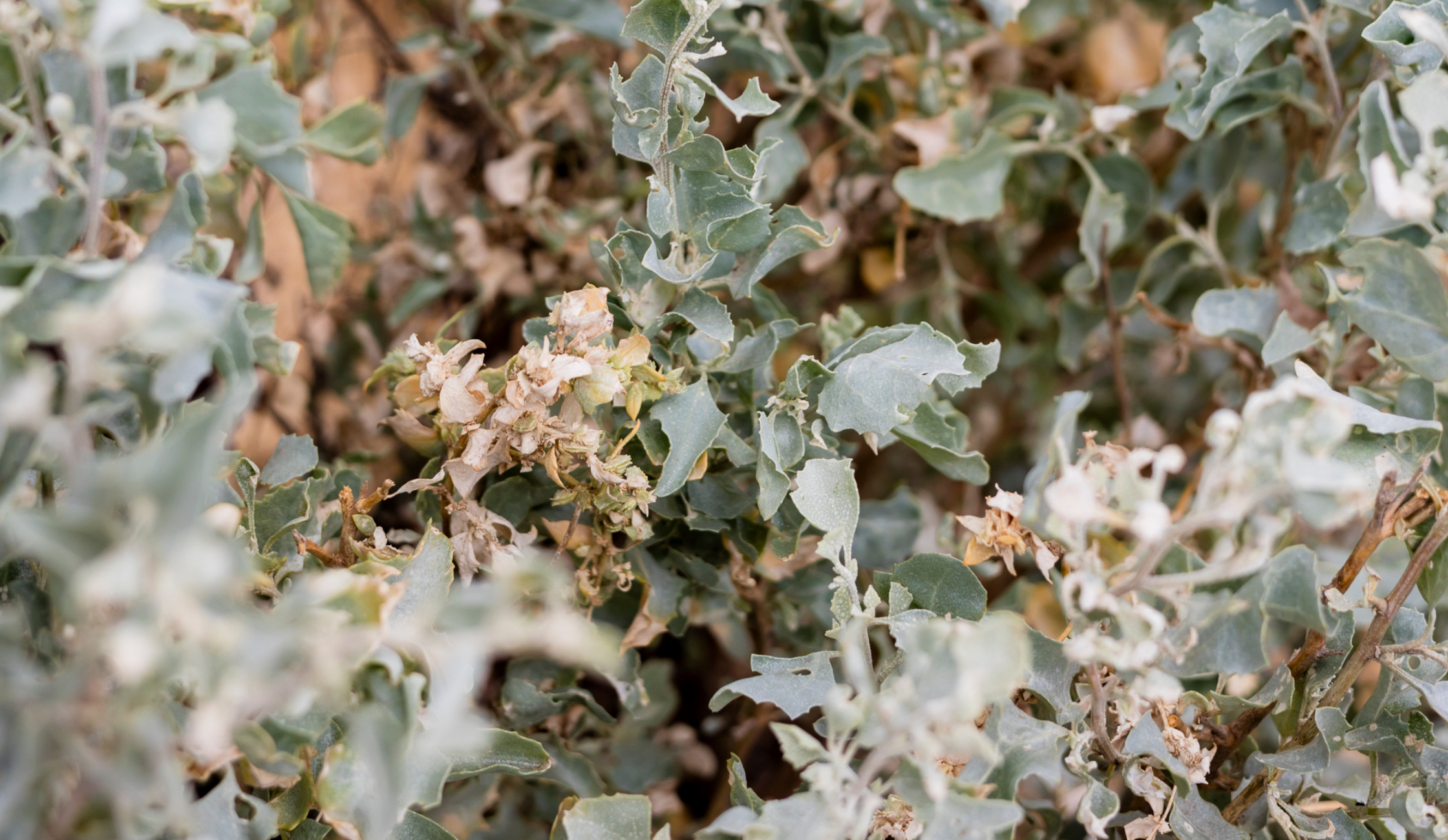
With Moojepin Foods, Thompson is thinking beyond the West Australian capital and has his sights set on chefs and restaurants around Australia and, increasingly, the world. A spin-off of Moojepin Mutton, Moojepin Foods is a venture that grows samphire, ice plants and other succulent, salt-resistant plants – also known as halophytes – for the food industry. (Thompson got the idea for the business after a chef he was supplying mutton to asked if his property had any saltbush: a fast-growing shrub once considered a weed by farmers that, over the past two decades, has found favour among cooks for its salty flavour and crisp texture.)
Influential Australian chef Peter Gilmore of Sydney’s Quay (recently shuttered) an early supporter after discovering Moojepin Foods in 2018 while judging a national produce awards competition. Like many food producers, the Thompsons were derailed by COVID but they’ve been steadily rebuilding in the years since.
While Moojepin Foods customers appreciate the juicy snap of karkalla or the flash of colour and crunch that leaves of saltbush can bring to a plate of food, Thompson’s interests in halophytes go beyond (just) flavour. He sees the commercial production of halophytes as a way to combat the dryland salinity crisis affecting farmers and landowners around Australia. (By growing plants that naturally pull excess salt from the ground and store it in their leaves, it’s possible to reduce the amount of salt in the soil and rehabilitate otherwise barren lead that can’t be used for growing crops.) Although native Australian plants are a key part of his product range, Moojepin Foods isn’t explicitly a native, “bush food” business.
“We grow what we grow for environmental reasons and not necessarily because they’re Australian plants,” he says. “It’s whatever will grow in salt. Ice plant is considered by many to be a weed, but it’s one of our biggest sellers.”
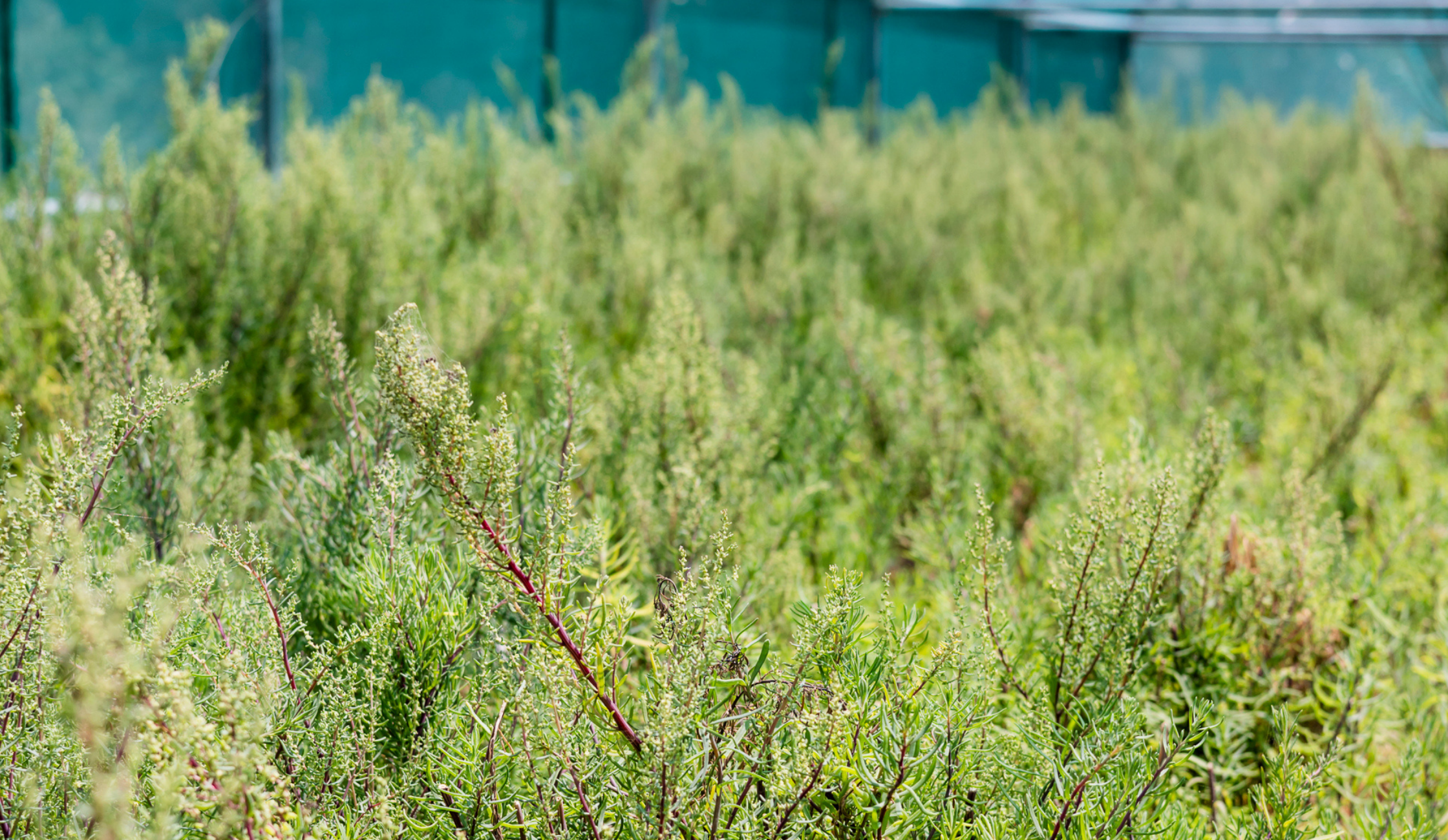
A key part of his strategy is choosing plant species with the eating qualities chefs want – not too bitter, good shelf-life, photographs well on Instagram – but are also suited to growing conditions in Katanning. (He grows plants in both greenhouse and outdoor settings.)
Considering Thompson’s curious nature, it’s no surprise that he’s come up with creative ways to use these plants, including drying seablite so that he can sprinkle it on raw tomatoes. (His wife Susan, meanwhile, uses it in lieu of salt when baking bread.) He’s also teamed up with Lucky Bay Brewing in Esperance to brew a lager starring saltbush using local barley. It turns out that, on occasion, even a renegade thinker like Thompson will go with the (local) grain.