
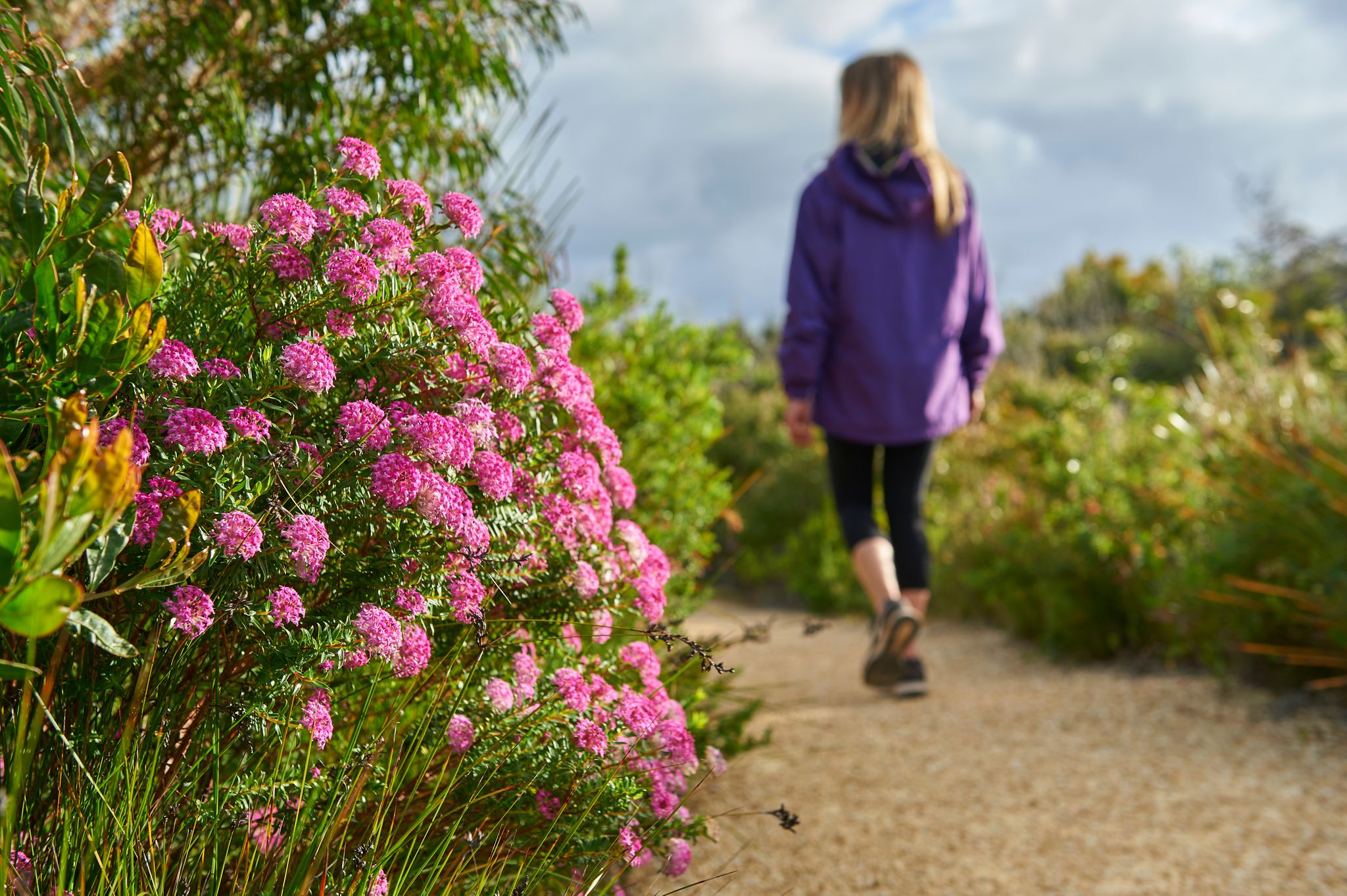
Each spring, the Great Southern comes alive with colour from the mountain peaks of the Stirling Range to the rugged coastlines of Torndirrup National Park. Home to two of Australia’s most diverse national parks, the region sits within the South West biodiversity hotspot, one of only two recognised hotspots in the country and one of just 36 in the world. If you’re looking for breathtaking wildflower displays this season, here’s where to go.
Stirling Range National Park
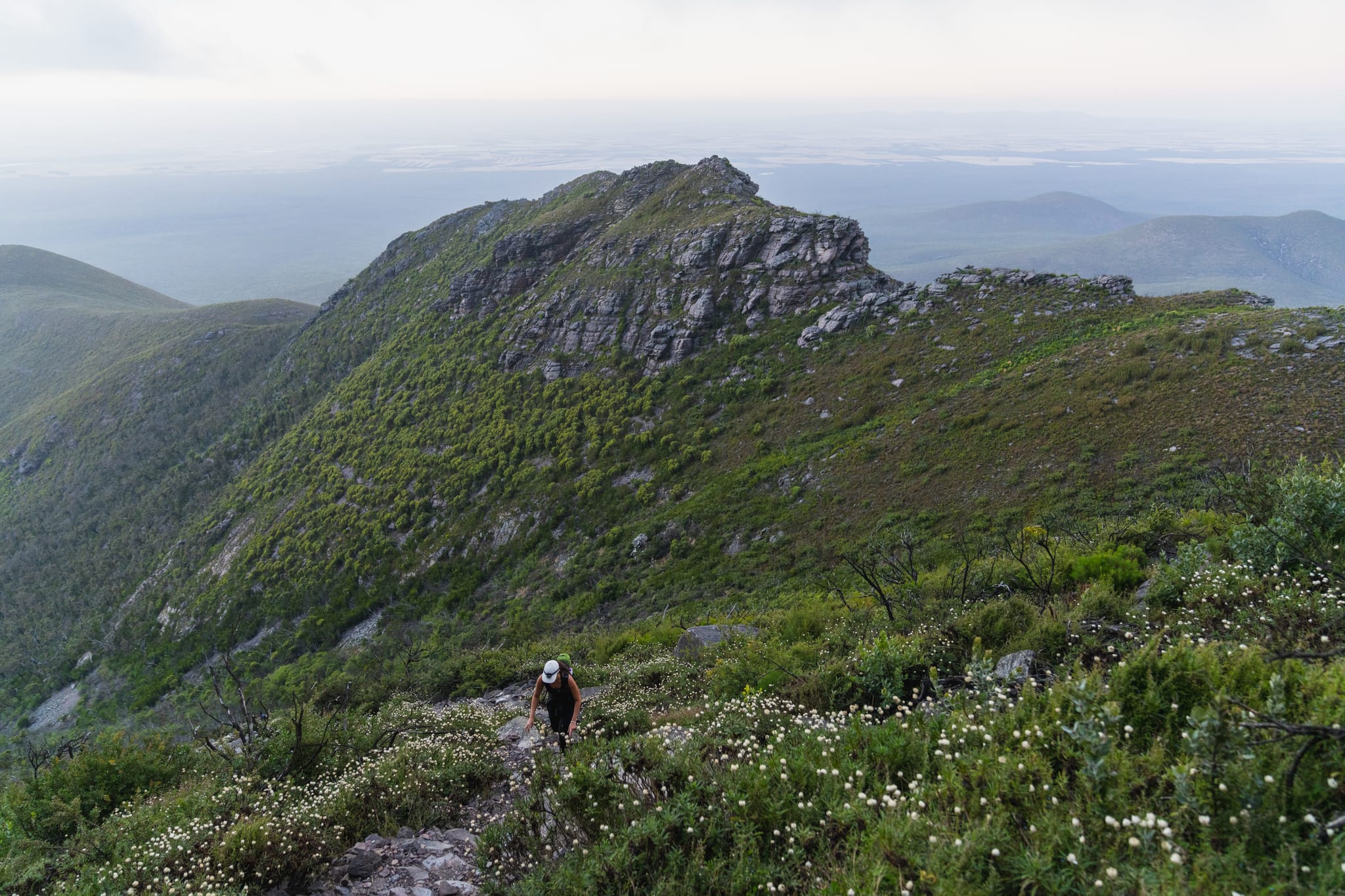
WA’s only significant mountain range is also one of its most botanically rich. Stirling Range National Park is home to over 1,500 species of native plants, more than 120 of which are found nowhere else on Earth.
Look out for:
- Darwinia Collina (Mountain Bell): This rare and endangered beauty grows up to 1.2 metres tall and produces bright yellow to lime-green, bell-shaped flowers that hang down from its stems. It’s one of the most iconic species in the park.
- Featherflower, Woolly Bush, and Qualup Bell can also be spotted on the slopes, particularly after rain.
Walking the popular Bluff Knoll or Mt Trio trails during spring is a fantastic way to immerse yourself in this botanical wonderland.
Porongurup National Park
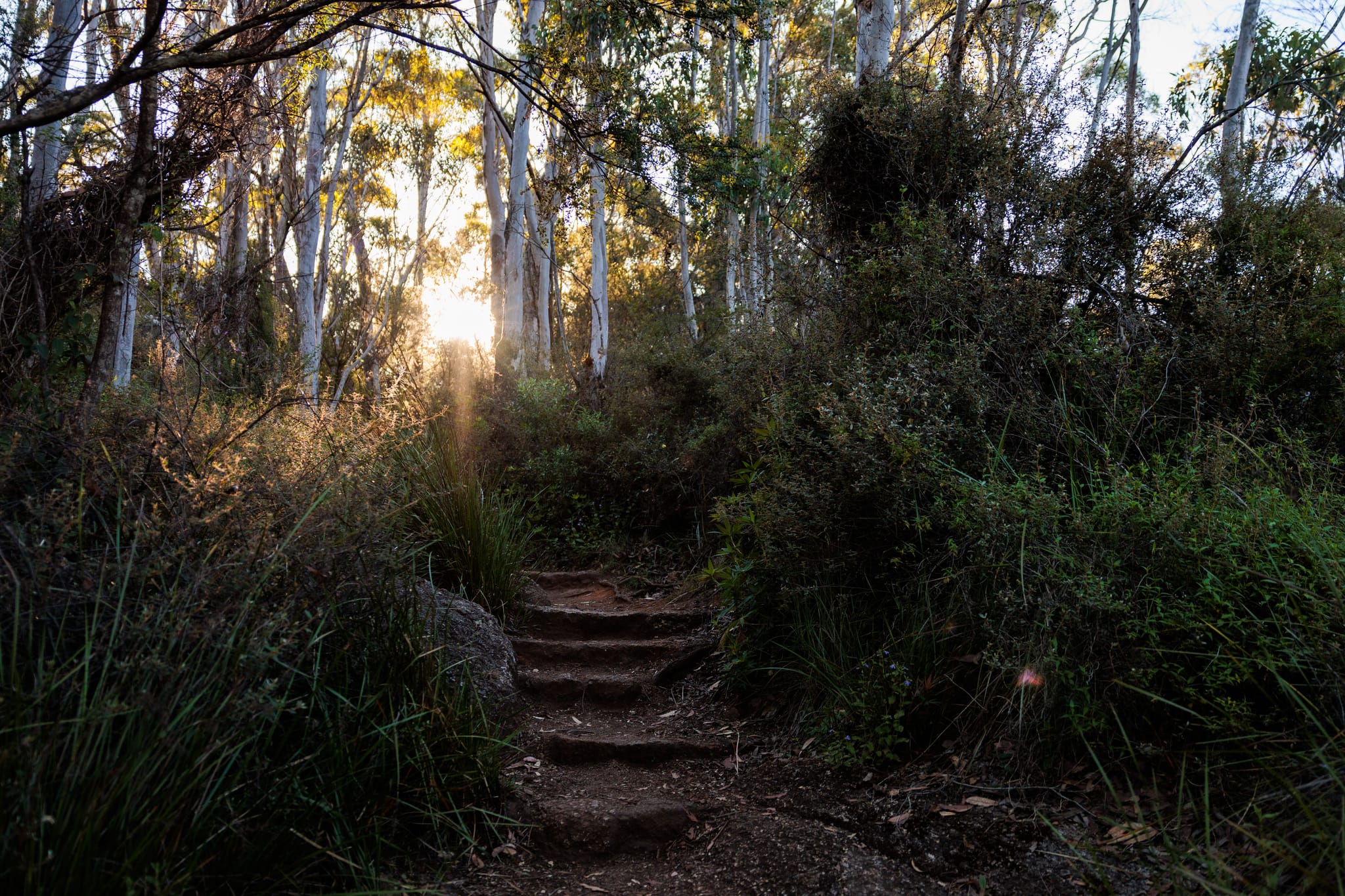
Just a short 35-minute drive from the Stirling Range, Porongurup National Park is another wildflower treasure trove. The cooler, elevated climate and dense Karri forest create ideal growing conditions for a different range of native plants.
On the trail to Castle Rock and the Granite Skywalk, look out for:
- Scarlet Flame Peas, their vibrant red flowers standing out against the greenery.
- Candlestick Banksias lighting up the understory.
- Native Wisteria draping delicately along the path.
- Acacias and violet Hovea adding bursts of colour to the forest floor.
The trail is 4.7km return and well worth the effort for wildflowers and panoramic views.
Torndirrup National Park and the Coast
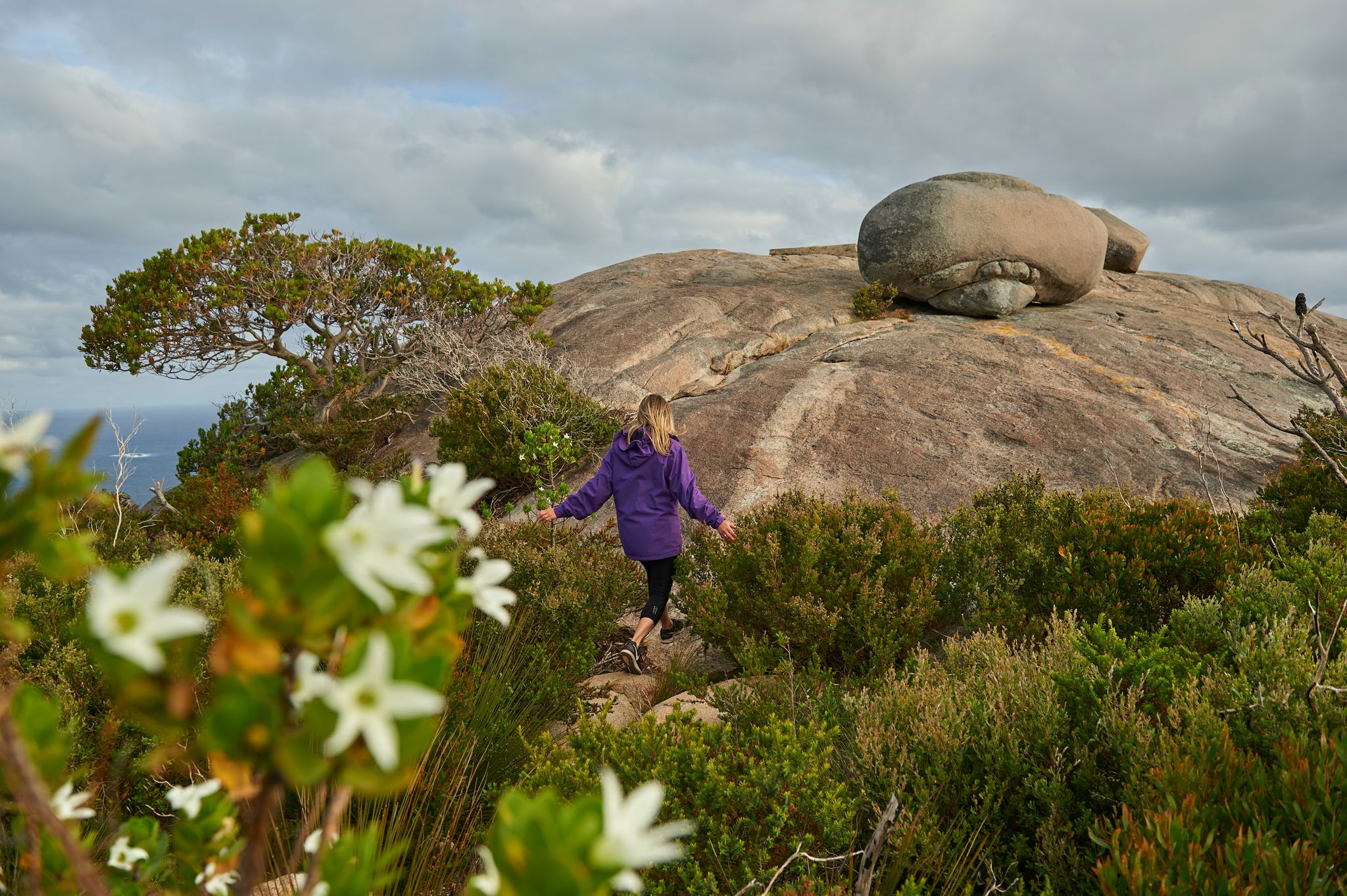
Closer to Albany, the coastal landscapes of Torndirrup National Park showcase an entirely different wildflower scene shaped by salt-laden winds, granite outcrops and sandy soils.
While visiting The Gap and Natural Bridge, look for:
- Pimelea Rosea (Rose Banjine): A pink, shrubby plant native to the coast.
- Sticky Tailflower: A striking, star-shaped bloom found near cliff edges and walking trails
While you’re in Albany, don’t miss the Regional Wildflower Garden at Albany’s Historic Whaling Station. Showcasing the extraordinary biodiversity of the Great Southern, the garden is dedicated to the preservation and propagation of rare and endangered plant species, offering visitors the chance to experience the region’s remarkable flora in one accessible location.
With plants flowering throughout the year, and the most spectacular displays occurring from spring through to summer, the garden features winding walkways that meander through diverse native plant collections, attracting an abundance of local birdlife along the way. Families can also enjoy free barbecues within the gardens and visit the Australian Wildlife Park, located within the Wildflower Garden complex.
Mount Barker
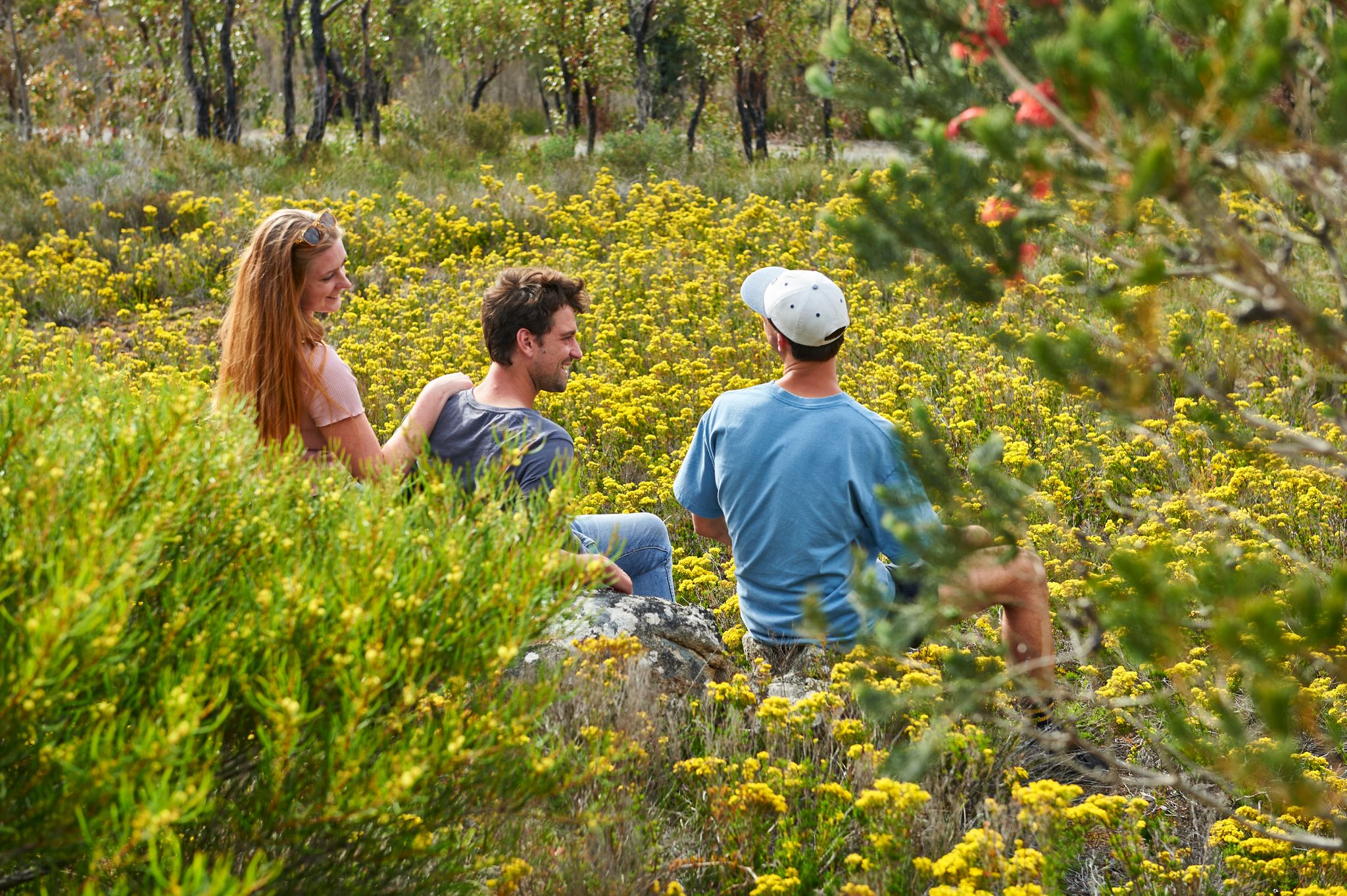
Spring is when Mount Barker truly comes alive. Surrounded by the Stirling Range and Porongurup National Parks, the region is recognised as one of Australia’s premier destinations for orchids and native wildflowers, with hundreds of species found throughout the surrounding bushland.
From late August to November, roadside reserves, granite outcrops and walking trails are transformed with colourful blooms. Keep an eye out for donkey orchids, spider orchids and other remarkable native species, alongside sweeping fields of flowering canola that create a striking contrast against the natural landscape.
For an easy introduction to the region’s incredible biodiversity, explore the Reservoir Loop Trail, Twin Creeks Reserve or Mondurup Reserve, where many of the wildflowers are labelled. Before setting out, stop by the Mount Barker Visitor Centre for maps, local advice and the latest flowering updates.
Great Southern Treasures Bloom Festival
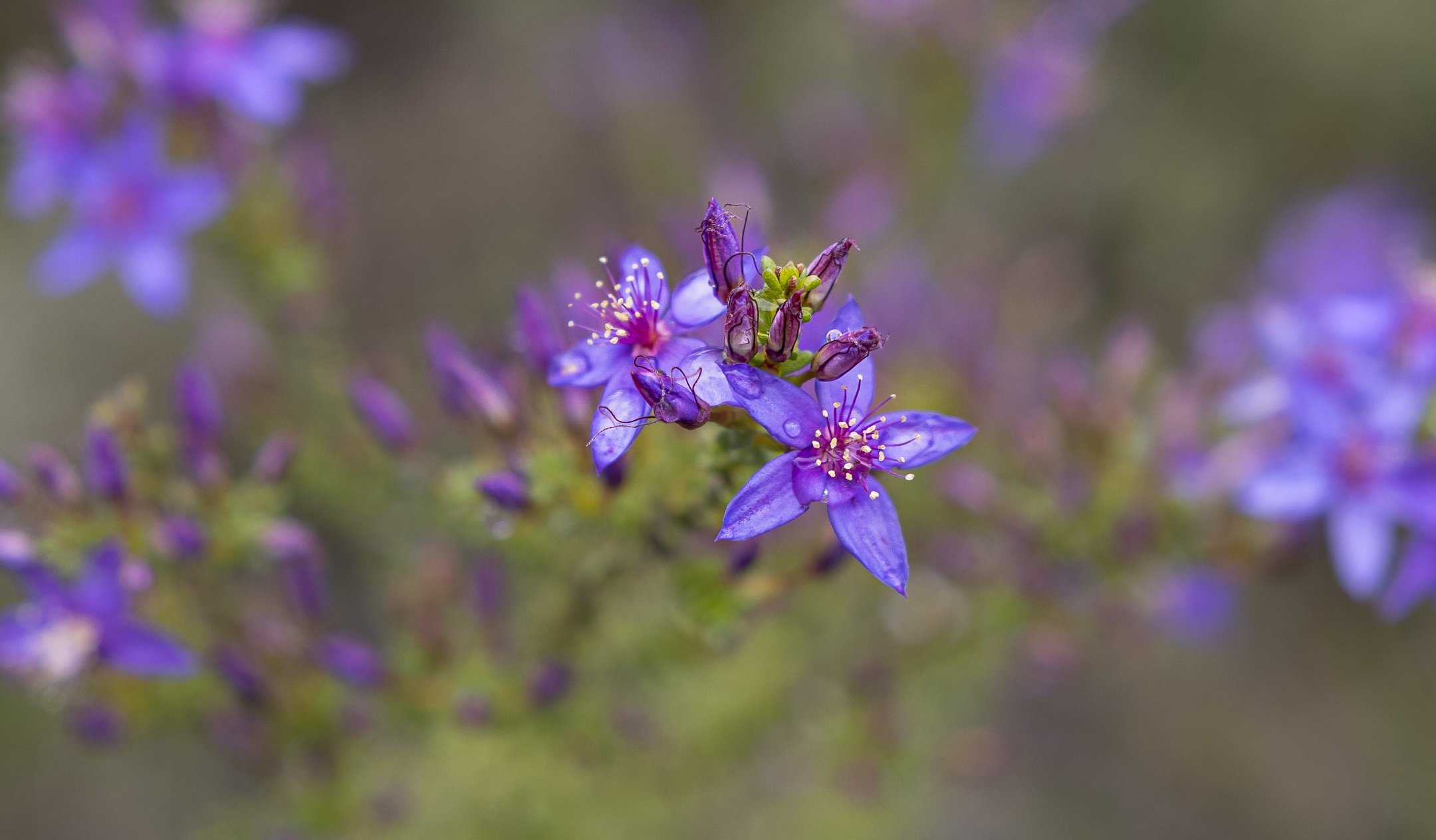
First held in 2010, the Bloom Festival celebrates the renewal of Djilba (Spring) and shines a spotlight on the smaller communities throughout the upper Great Southern – each rich in agriculture, heritage, and natural beauty. You’ll find wildflower experiences at the heart of the program, from guided orchid walks and wildflower breakfast hikes to open gardens bursting with blooms.
But it’s not just about the flowers – the festival brings the whole region to life with art trails, creative workshops, live music, agricultural shows, cultural storytelling, food and wine events, and more. It’s the perfect way to experience the Great Southern’s wildflowers while also soaking up its community spirit and charm.
For the full program and event details, head to the Bloom Festival website.
Help Protect Our Wildflowers for Future Generations
While it’s tempting to pick a bloom or two, we kindly ask that you leave wildflowers where they grow. Many native species rely on setting seed for regeneration, and even small disruptions can have long-term impacts on their survival.
Be Dieback Aware
Dieback is a serious soil-borne disease that affects a wide range of native plants and entire ecosystems. You can help prevent its spread by taking a few simple precautions:
-
Clean your shoes, tyres and equipment between sites
-
Avoid walking or driving in muddy areas, especially after heavy rain
-
Stick to designated tracks and paths
-
Respect trail signage and closures
By treading lightly and responsibly, you’re playing a vital role in preserving the Great Southern’s spectacular biodiversity for generations to come.